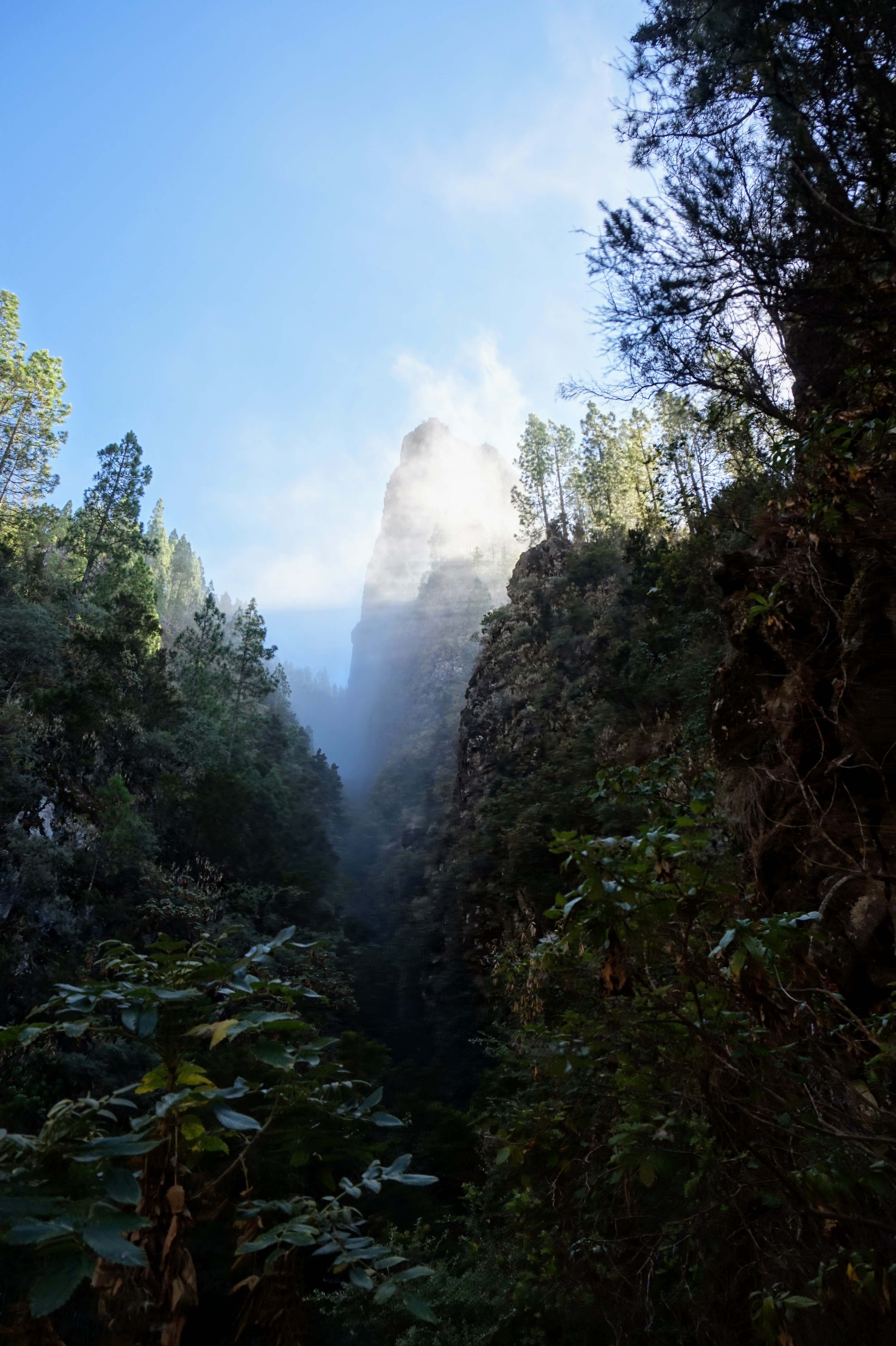



The largest of the Canary Islands, Tenerife is a beautiful and scenic island which enjoys year-round sunshine and is dominated by Mount Teide. The mountain range runs through the centre of the island, with fertile valleys on the northern side. In the central part of the range is the gigantic natural crater of the Cañadas del Teide, about 14 miles in diameter. Santa Cruz, the island’s pretty capital, was originally a small fishing village but has now grown into a modern city, and also contains 16th-century civic buildings and ornate private mansions. Near the pier is the Santa Cruz Palmetum, a Botanical Garden covering an area of 29 acres, specialising in palms.
The largest of the Canary Islands, Tenerife is a beautiful and scenic island which enjoys year-round sunshine and is dominated by Mount Teide. The mountain range runs through the centre of the island, with fertile valleys on the northern side. In the central part of the range is the gigantic natural crater of the Cañadas del Teide, about 14 miles in diameter. Santa Cruz, the island’s pretty capital, was originally a small fishing village but has now grown into a modern city, and also contains 16th-century civic buildings and ornate private mansions. Near the pier is the Santa Cruz Palmetum, a Botanical Garden covering an area of 29 acres, specialising in palms.
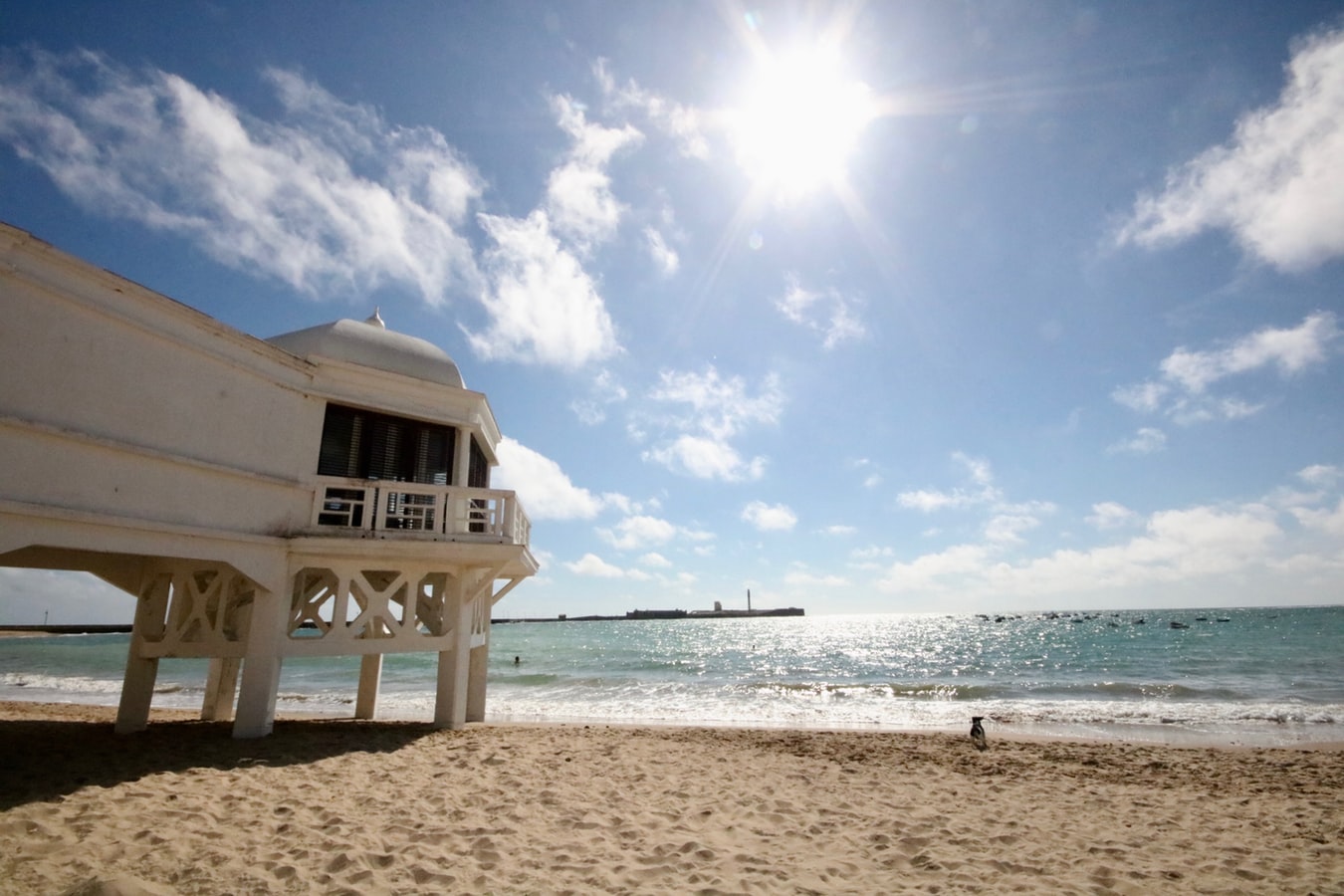
Believed to be the oldest town on the Iberian Peninsula, the Andalusian port of Cádiz enjoys a stunning location at the edge of a six-mile promontory. The town itself, with 3,000 years of history, is characterised by pretty white houses with balconies often adorned with colourful flowers. As you wander around be sure to take a stroll through the sizeable Plaza de Espãna, with its large monument dedicated to the first Spanish constitution, which was signed here in 1812. Cádiz has two pleasant seafront promenades which boast fine views of the Atlantic Ocean, and has a lovely park, the Parque Genoves, located close to the sea with an open-air theatre and attractive palm garden. Also notable is the neo-Classical cathedral, capped by a golden dome.
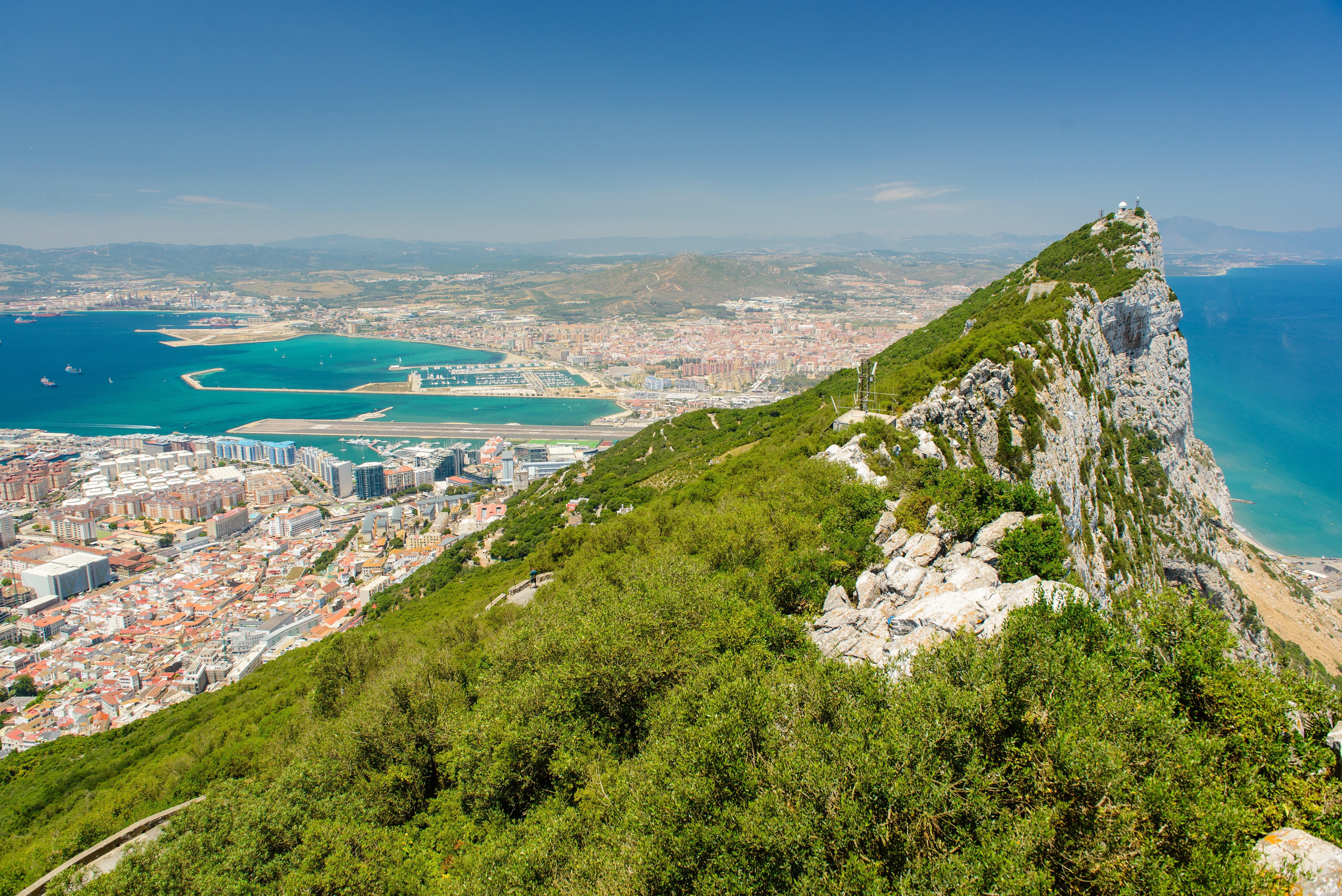
Tagged on to the end of Iberia, the intriguing British outpost of Gibraltar is dominated by a sandy peninsula and the stunning 1,400-feet-high limestone Rock. Although small, Gibraltar has always been seen as having great strategic importance on account of its advantageous position where the Atlantic meets the Mediterranean, just 12 miles from the coast of Africa. Ever popular with British holidaymakers, Gibraltar is very much a home from home, boasting excellent duty-free shopping in many familiar British high street shops. Please note: Gibraltar’s small size and narrow winding roads mean that excursions are operated by 22-seater mini-buses, accompanied by a driver/guide. Local health and safety regulations prohibit the carriage of walking aids and collapsible wheelchairs on these vehicles. If you do wish to bring a mobility aid, we can arrange the Rock Tour by taxi, which has extra space. If this suits your requirements, please advise the Tours and Travel office when you join the ship, as numbers are limited.
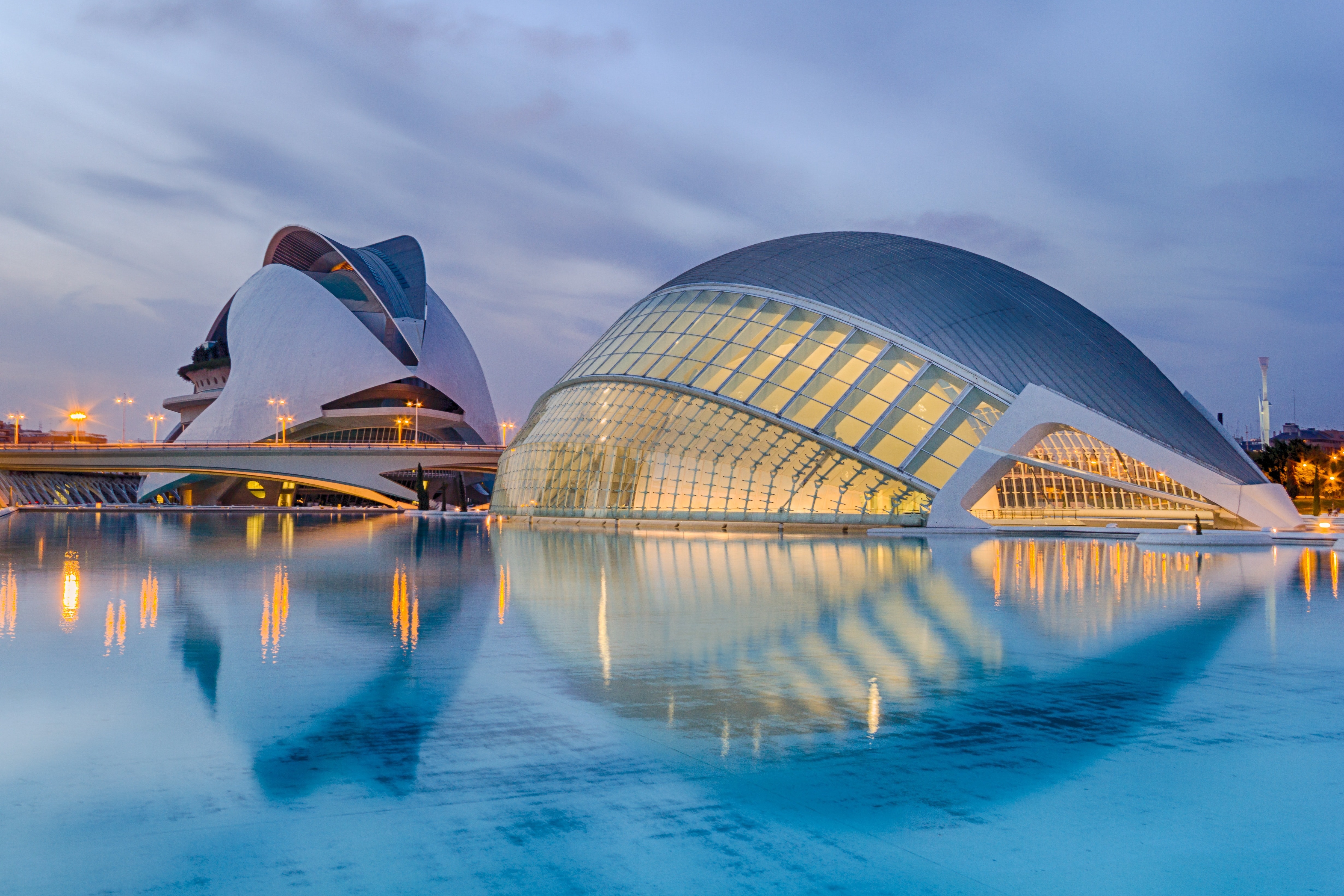
Valencia, Spain’s third-largest municipality, is a proud city with a thriving nightlife and restaurant scene, quality museums, and spectacular contemporary architecture, juxtaposed with a thoroughly charming historic quarter, making it a popular destination year in year out. During the Civil War, it was the last seat of the Republican Loyalist government (1935–36), holding out against Franco’s National forces until the country fell to 40 years of dictatorship. Today it represents the essence of contemporary Spain—daring design and architecture along with experimental cuisine—but remains deeply conservative and proud of its traditions. Though it faces the Mediterranean, Valencia’s history and geography have been defined most significantly by the River Turia and the fertile huerta that surrounds it.The city has been fiercely contested ever since it was founded by the Greeks. El Cid captured Valencia from the Moors in 1094 and won his strangest victory here in 1099: he died in the battle, but his corpse was strapped into his saddle and so frightened the besieging Moors that it caused their complete defeat. In 1102 his widow, Jimena, was forced to return the city to Moorish rule; Jaume I finally drove them out in 1238. Modern Valencia was best known for its frequent disastrous floods until the River Turia was diverted to the south in the late 1950s. Since then the city has been on a steady course of urban beautification. The lovely bridges that once spanned the Turia look equally graceful spanning a wandering municipal park, and the spectacularly futuristic Ciutat de les Arts i les Ciències (City of Arts and Sciences), most of it designed by Valencia-born architect Santiago Calatrava, has at last created an exciting architectural link between this river town and the Mediterranean. If you’re in Valencia, an excursion to Albufera Nature Park is a worthwhile day trip.
The infinite variety of street life, the nooks and crannies of the medieval Barri Gòtic, the ceramic tile and stained glass of Art Nouveau facades, the art and music, the throb of street life, the food (ah, the food!)—one way or another, Barcelona will find a way to get your full attention. The capital of Catalonia is a banquet for the senses, with its beguiling mix of ancient and modern architecture, tempting cafés and markets, and sun-drenched Mediterranean beaches. A stroll along La Rambla and through waterfront Barceloneta, as well as a tour of Gaudí’s majestic Sagrada Famíliaand his other unique creations, are part of a visit to Spain’s second-largest city. Modern art museums and chic shops call for attention, too. Barcelona’s vibe stays lively well into the night, when you can linger over regional wine and cuisine at buzzing tapas bars.
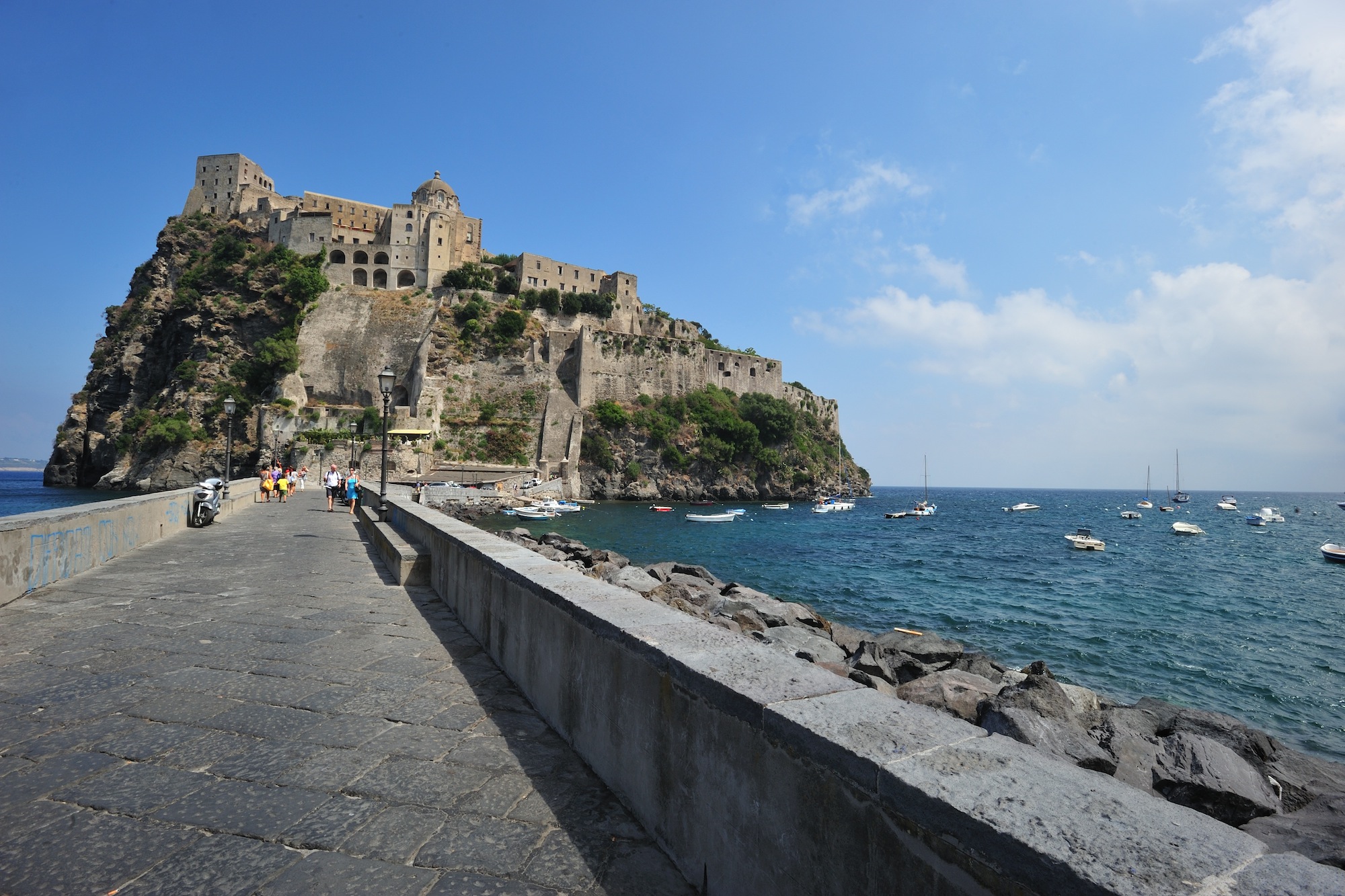
Naples, in the Campania region, is Italy’s third largest city. Its claim to fame is the spectacular location along one of the world’s most splendid bays, backed by the perfect cone of Mount Vesuvius. In addition to its beautiful setting, Naples’ surprises with other outstanding attractions such as the Royal Palace, San Carlos Opera House, the impressive National Archaeological Museum and the Castel Nuovo, dating from the 13th-century. The city’s central area is best explored on foot. Chaotic traffic conditions make driving around the city a very frustrating experience. Naples provides a convenient starting point for trips to such favored destinations as Pompeii, Herculaneum and Mount Vesuvius. The Isle of Capri can be reached via a 45-minute hydrofoil service. The region of Campania was home to Greeks settlers some 300 years before Rome was founded. Pompeii, too, was a Greek town before being conquered by the Romans during the 5th century BC. It was under the Romans that Pompeii flourished and grew prosperous. When Mount Vesuvius erupted in 79 AD, the population of 20,000 was wiped out, but dozens of buildings were preserved under layers of cinder more than 20 feet deep. The most important finds from Pompeii are displayed in Naples’ National Archaeological Museum. A visit here will no doubt enhance a visit to ancient Pompeii.
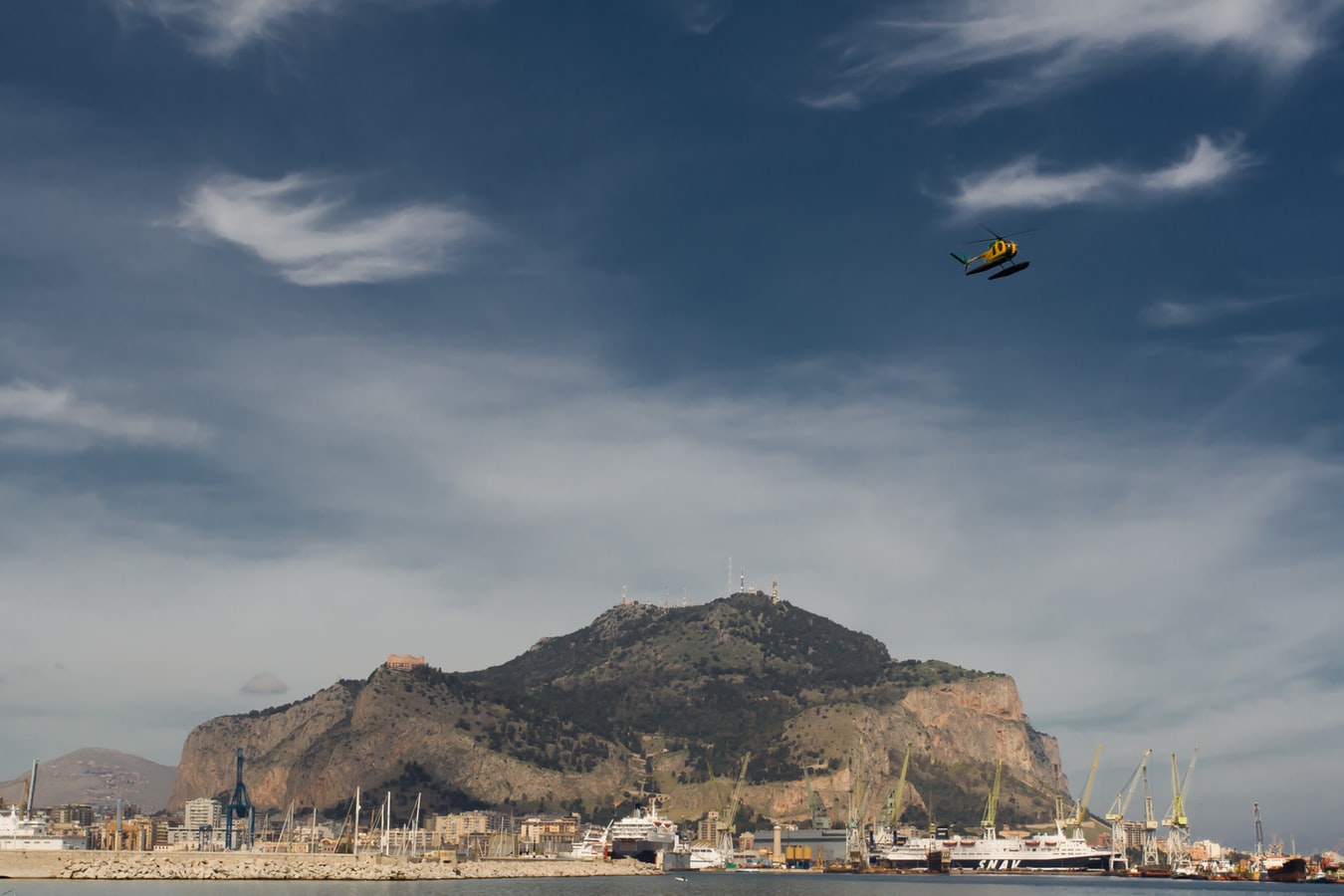
Once the intellectual capital of southern Europe, Palermo has always been at the crossroads of civilization. Favorably situated on a crescent-shaped bay at the foot of Monte Pellegrino, it has attracted almost every culture touching the Mediterranean world. To Palermo’s credit, it has absorbed these diverse cultures into a unique personality that is at once Arab and Christian, Byzantine and Roman, Norman and Italian. The city’s heritage encompasses all of Sicily’s varied ages, but its distinctive aspect is its Arab-Norman identity, an improbable marriage that, mixed in with Byzantine and Jewish elements, created some resplendent works of art. No less noteworthy than the architecture is Palermo’s chaotic vitality, on display at some of Italy’s most vibrant outdoor markets, public squares, street bazaars, and food vendors, and above all in its grand climax of Italy’s most spectacular passeggiata (the leisurely social stroll along the principal thoroughfare).
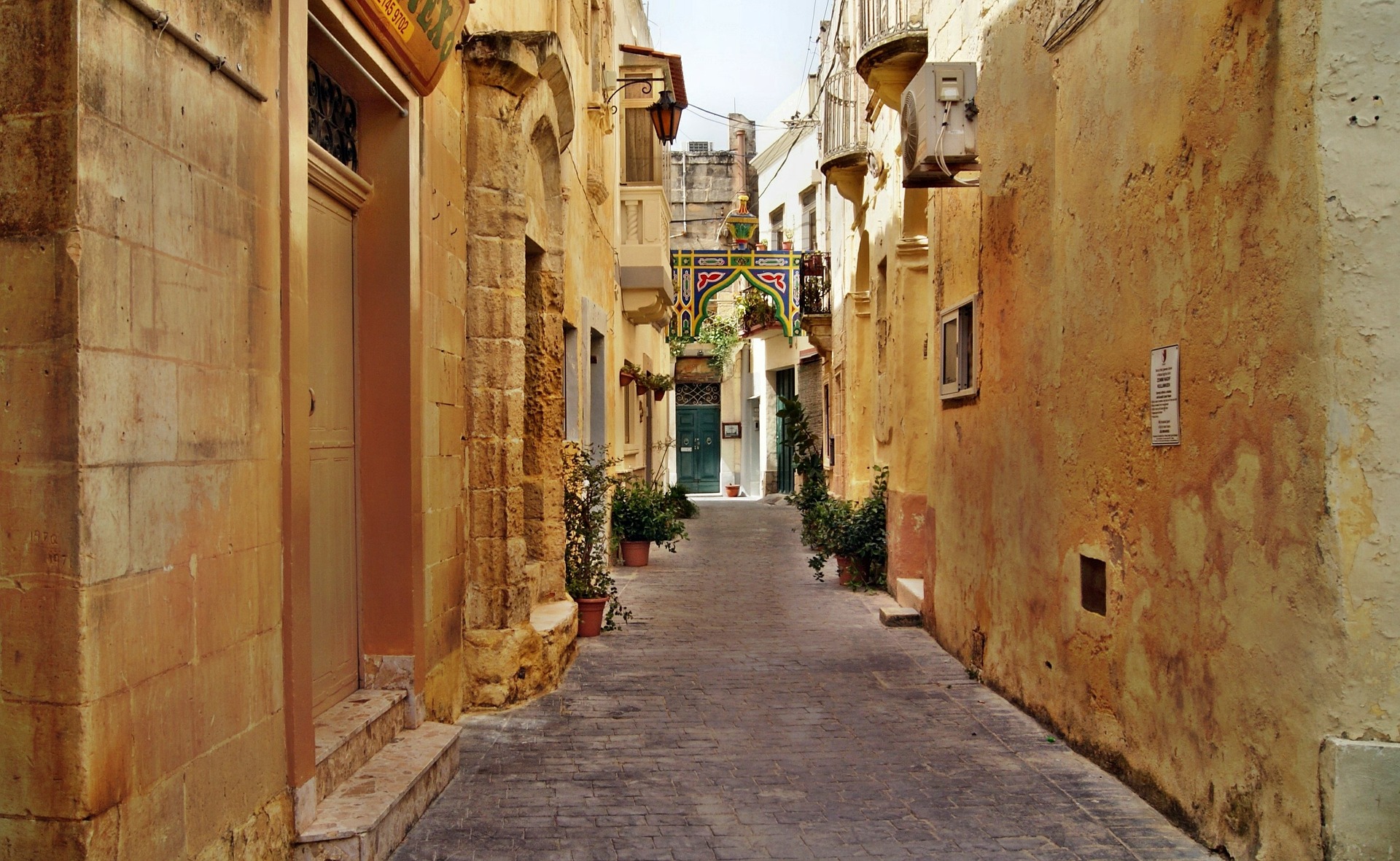
Malta’s capital, the minicity of Valletta, has ornate palaces and museums protected by massive fortifications of honey-color limestone. Houses along the narrow streets have overhanging wooden balconies for people-watching from indoors. Generations ago they gave housebound women a window on the world of the street. The main entrance to town is through the City Gate (where all bus routes end), which leads onto Triq Repubblika (Republic Street), the spine of the grid-pattern city and the main shopping street. Triq Mercante (Merchant Street) parallels Repubblika to the east and is also good for strolling. From these two streets, cross streets descend toward the water; some are stepped. Valletta’s compactness makes it ideal to explore on foot. City Gate and the upper part of Valletta are experiencing vast redevelopment that includes a new Parliament Building and open-air performance venue. The complex, completed mid-2013, has numerous pedestrian detours in place along with building noise and dust. Before setting out along Republic Street, stop at the tourist information office on Merchant Street for maps and brochures.
Livorno is a gritty city with a long and interesting history. In the early Middle Ages it alternately belonged to Pisa and Genoa. In 1421 Florence, seeking access to the sea, bought it. Cosimo I (1519–74) started construction of the harbor in 1571, putting Livorno on the map. After Ferdinando I de’ Medici (1549–1609) proclaimed Livorno a free city, it became a haven for people suffering from religious persecution; Roman Catholics from England and Jews and Moors from Spain and Portugal, among others, settled here. The Quattro Mori (Four Moors), also known as the Monument to Ferdinando I, commemorates this. (The statue of Ferdinando I dates from 1595, the bronze Moors by Pietro Tacca from the 1620s.)In the following centuries, and particularly in the 18th, Livorno boomed as a port. In the 19th century the town drew a host of famous Britons passing through on their grand tours. Its prominence continued up to World War II, when it was heavily bombed. Much of the town’s architecture, therefore, postdates the war, and it’s somewhat difficult to imagine what it might have looked like before. Livorno has recovered from the war, however, as it’s become a huge point of departure for container ships, as well as the only spot in Tuscany for cruise ships to dock for the day.Most of Livorno’s artistic treasures date from the 17th century and aren’t all that interesting unless you dote on obscure baroque artists. Livorno’s most famous native artist, Amedeo Modigliani (1884–1920), was of much more recent vintage. Sadly, there’s no notable work by him in his hometown.There may not be much in the way of art, but it’s still worth strolling around the city. The Mercato Nuovo, which has been around since 1894, sells all sorts of fruits, vegetables, grains, meat, and fish. Outdoor markets nearby are also chock-full of local color. The presence of Camp Darby, an American military base just outside town, accounts for the availability of many American products.If you have time, Livorno is worth a stop for lunch or dinner at the very least.
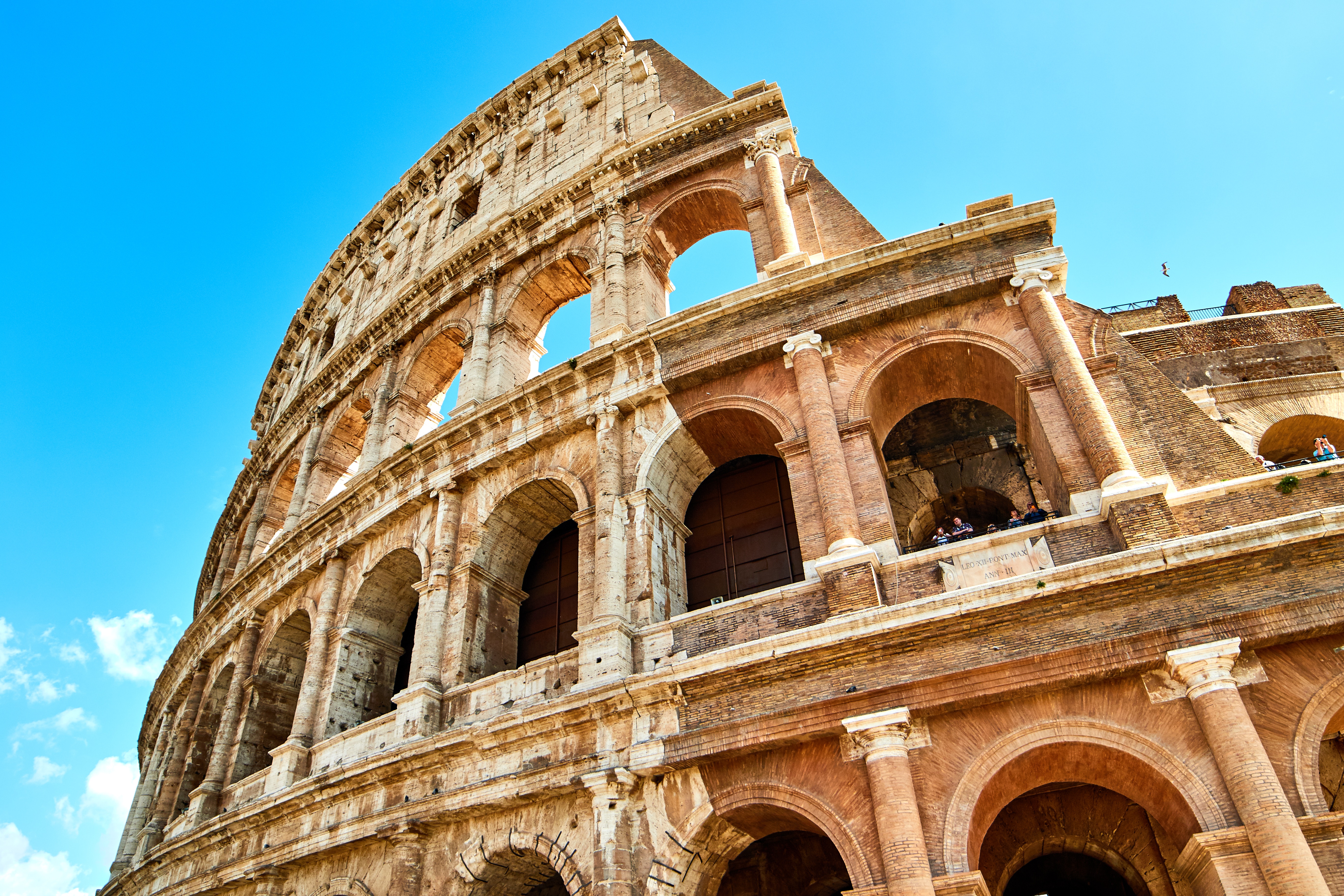
Italy’s vibrant capital lives in the present, but no other city on earth evokes its past so powerfully. For over 2,500 years, emperors, popes, artists, and common citizens have left their mark here. Archaeological remains from ancient Rome, art-stuffed churches, and the treasures of Vatican City vie for your attention, but Rome is also a wonderful place to practice the Italian-perfected il dolce far niente, the sweet art of idleness. Your most memorable experiences may include sitting at a caffè in the Campo de’ Fiori or strolling in a beguiling piazza.
Naples, in the Campania region, is Italy’s third largest city. Its claim to fame is the spectacular location along one of the world’s most splendid bays, backed by the perfect cone of Mount Vesuvius. In addition to its beautiful setting, Naples’ surprises with other outstanding attractions such as the Royal Palace, San Carlos Opera House, the impressive National Archaeological Museum and the Castel Nuovo, dating from the 13th-century. The city’s central area is best explored on foot. Chaotic traffic conditions make driving around the city a very frustrating experience. Naples provides a convenient starting point for trips to such favored destinations as Pompeii, Herculaneum and Mount Vesuvius. The Isle of Capri can be reached via a 45-minute hydrofoil service. The region of Campania was home to Greeks settlers some 300 years before Rome was founded. Pompeii, too, was a Greek town before being conquered by the Romans during the 5th century BC. It was under the Romans that Pompeii flourished and grew prosperous. When Mount Vesuvius erupted in 79 AD, the population of 20,000 was wiped out, but dozens of buildings were preserved under layers of cinder more than 20 feet deep. The most important finds from Pompeii are displayed in Naples’ National Archaeological Museum. A visit here will no doubt enhance a visit to ancient Pompeii.
Malta’s capital, the minicity of Valletta, has ornate palaces and museums protected by massive fortifications of honey-color limestone. Houses along the narrow streets have overhanging wooden balconies for people-watching from indoors. Generations ago they gave housebound women a window on the world of the street. The main entrance to town is through the City Gate (where all bus routes end), which leads onto Triq Repubblika (Republic Street), the spine of the grid-pattern city and the main shopping street. Triq Mercante (Merchant Street) parallels Repubblika to the east and is also good for strolling. From these two streets, cross streets descend toward the water; some are stepped. Valletta’s compactness makes it ideal to explore on foot. City Gate and the upper part of Valletta are experiencing vast redevelopment that includes a new Parliament Building and open-air performance venue. The complex, completed mid-2013, has numerous pedestrian detours in place along with building noise and dust. Before setting out along Republic Street, stop at the tourist information office on Merchant Street for maps and brochures.
Malta’s capital, the minicity of Valletta, has ornate palaces and museums protected by massive fortifications of honey-color limestone. Houses along the narrow streets have overhanging wooden balconies for people-watching from indoors. Generations ago they gave housebound women a window on the world of the street. The main entrance to town is through the City Gate (where all bus routes end), which leads onto Triq Repubblika (Republic Street), the spine of the grid-pattern city and the main shopping street. Triq Mercante (Merchant Street) parallels Repubblika to the east and is also good for strolling. From these two streets, cross streets descend toward the water; some are stepped. Valletta’s compactness makes it ideal to explore on foot. City Gate and the upper part of Valletta are experiencing vast redevelopment that includes a new Parliament Building and open-air performance venue. The complex, completed mid-2013, has numerous pedestrian detours in place along with building noise and dust. Before setting out along Republic Street, stop at the tourist information office on Merchant Street for maps and brochures.
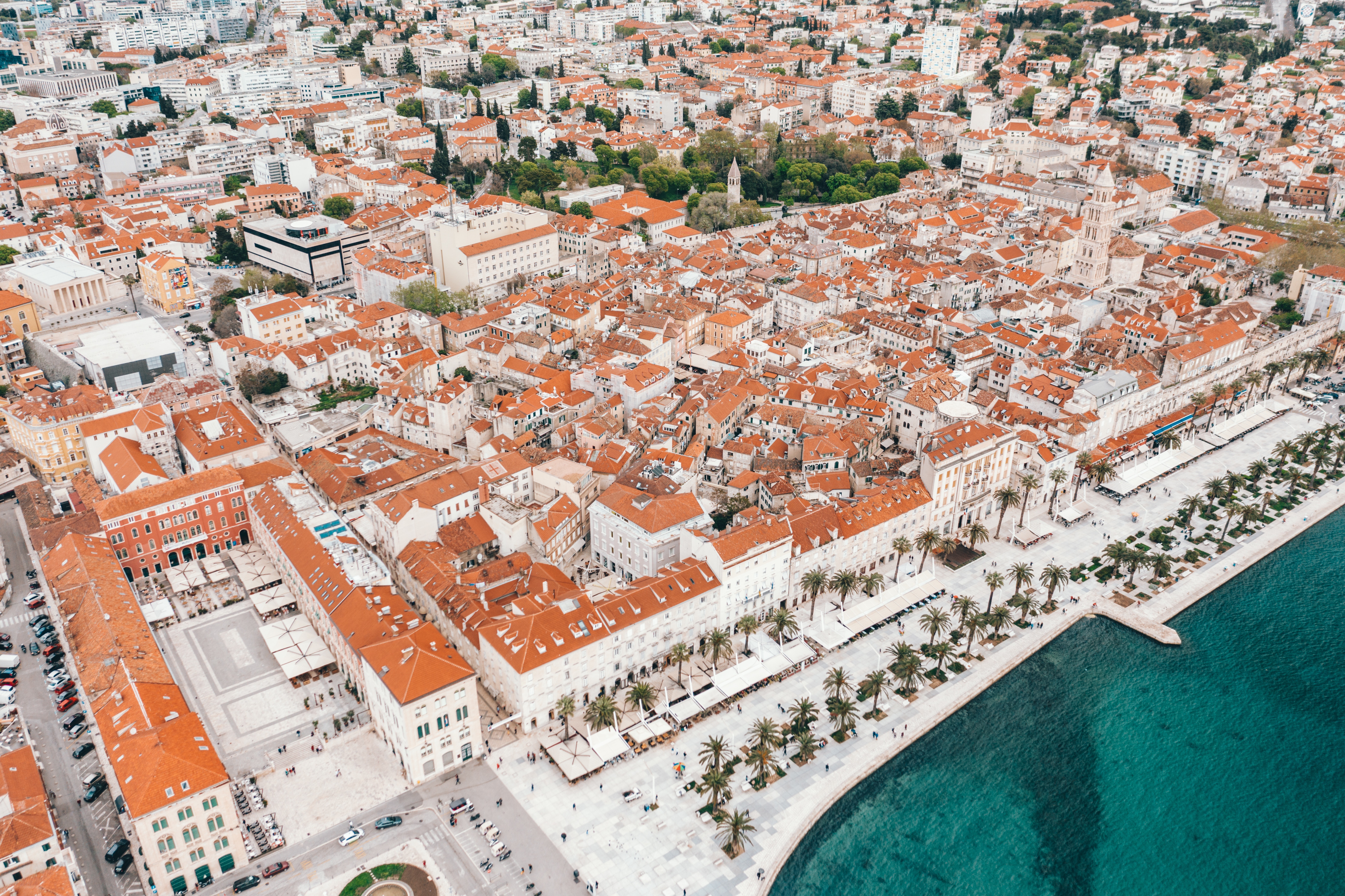
Split’s ancient core is so spectacular and unusual that a visit is more than worth your time. The heart of the city lies within the walls of Roman emperor Diocletian’s retirement palace, which was built in the 3rd century AD. Diocletian, born in the nearby Roman settlement of Salona in AD 245, achieved a brilliant career as a soldier and became emperor at the age of 40. In 295 he ordered this vast palace to be built in his native Dalmatia, and when it was completed he stepped down from the throne and retired to his beloved homeland. Upon his death, he was laid to rest in an octagonal mausoleum, around which Split’s magnificent cathedral was built.In 615, when Salona was sacked by barbarian tribes, those fortunate enough to escape found refuge within the stout palace walls and divided up the vast imperial apartments into more modest living quarters. Thus, the palace developed into an urban center, and by the 11th century the settlement had expanded beyond the ancient walls.Under the rule of Venice (1420–1797), Split—as a gateway to the Balkan interior—became one of the Adriatic’s main trading ports, and the city’s splendid Renaissance palaces bear witness to the affluence of those times. When the Habsburgs took control during the 19th century, an overland connection to Central Europe was established by the construction of the Split–Zagreb–Vienna railway line.After World War II, the Tito years saw a period of rapid urban expansion: industrialization accelerated and the suburbs extended to accommodate high-rise apartment blocks. Today the historic center of Split is included on UNESCO’s list of World Heritage Sites.
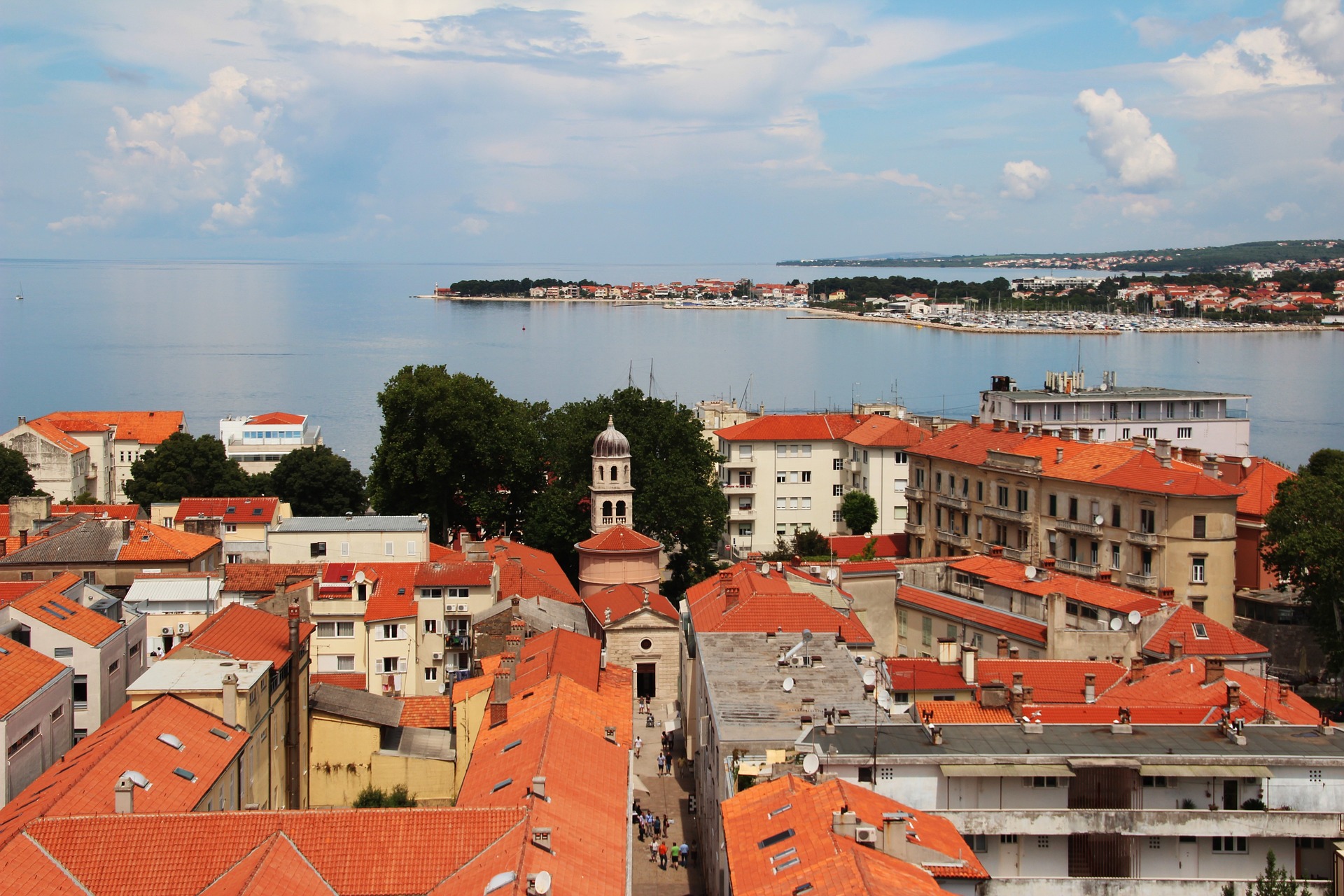
Dalmatia’s capital for more than 1,000 years, Zadar is all too often passed over by travelers on their way to Split or Dubrovnik. What they miss out on is a city of more than 73,000 that is remarkably lovely and lively despite—and, in some measure, because of—its tumultuous history. The Old Town, separated from the rest of the city on a peninsula some 4 km (2½ miles) long and just 1,640 feet wide, is bustling and beautiful: the marble pedestrian streets are replete with Roman ruins, medieval churches, palaces, museums, archives, and libraries. Parts of the new town are comparatively dreary, a testament to what a world war followed by decades of communism, not to mention a civil war, can do to the architecture of a city that is 3,000 years old. A settlement had already existed on the site of the present-day city for some 2,000 years when Rome finally conquered Zadar in the 1st century BC; the foundations of the forum can be seen today. Before the Romans came the Liburnians had made it a key center for trade with the Greeks and Romans for 800 years. In the 3rd century BC the Romans began to seriously pester the Liburnians, but required two centuries to bring the area under their control. During the Byzantine era, Zadar became the capital of Dalmatia, and this period saw the construction of its most famous church, the 9th-century St. Donat’s Basilica. It remained the region’s foremost city through the ensuing centuries. The city then experienced successive onslaughts and occupations—both long and short—by the Osogoths, the Croatian-Hungarian kings, the Venetians, the Turks, the Habsburgs, the French, the Habsburgs again, and finally the Italians before becoming part of Yugoslavia and, in 1991, the independent republic of Croatia. Zadar was for centuries an Italian-speaking city, and Italian is still spoken widely, especially by older people. Indeed, it was ceded to Italy in 1921 under the Treaty of Rapallo (and reverted to its Italian name of Zara). Its occupation by the Germans from 1943 led to intense bombing by the Allies during World War II, which left most of the city in ruins. Zadar became part of Tito’s Yugoslavia in 1947, prompting many Italian residents to leave. Zadar’s most recent ravages occurred during a three-month siege by Serb forces and months more of bombardment during the Croatian-Serbian war between 1991 and 1995. But you’d be hard-pressed to find outward signs of this today in what is a city to behold. There are helpful interpretive signs in English all around the Old Town, so you certainly won’t feel lost when trying to make sense of the wide variety of architectural sites you might otherwise pass by with only a cursory look.
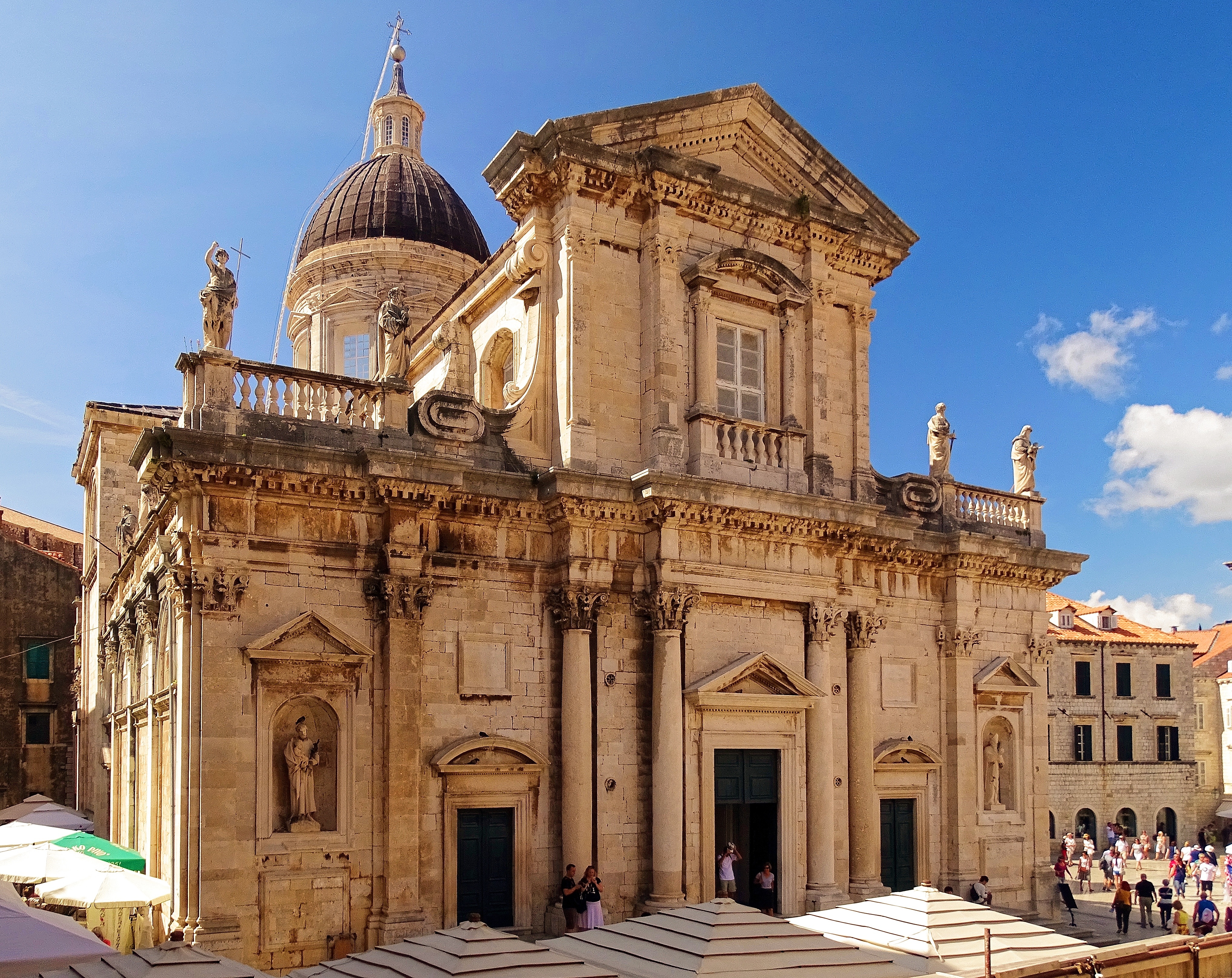
Nothing can prepare you for your first sight of Dubrovnik. Lying 216 km (135 miles) southeast of Split and commanding a jaw-dropping coastal location, it is one of the world’s most beautiful fortified cities. Its massive stone ramparts and fortress towers curve around a tiny harbor, enclosing graduated ridges of sun-bleached orange-tiled roofs, copper domes, and elegant bell towers. Your imagination will run wild picturing what it looked like seven centuries ago when the walls were built, without any suburbs or highways around it, just this magnificent stone city rising out of the sea.In the 7th century AD, residents of the Roman city Epidaurum (now Cavtat) fled the Avars and Slavs of the north and founded a new settlement on a small rocky island, which they named Laus, and later Ragusa. On the mainland hillside opposite the island, the Slav settlement called Dubrovnik grew up. In the 12th century the narrow channel separating the two settlements was filled in (now the main street through the Old Town, called Stradun), and Ragusa and Dubrovnik became one. The city was surrounded by defensive walls during the 13th century, and these were reinforced with towers and bastions in the late 15th century.From 1358 to 1808 the city thrived as a powerful and remarkably sophisticated independent republic, reaching its golden age during the 16th century. In 1667 many of its splendid Gothic and Renaissance buildings were destroyed by an earthquake. The defensive walls survived the disaster, and the city was rebuilt in baroque style.Dubrovnik lost its independence to Napoléon in 1808, and in 1815 passed to Austria-Hungary. During the 20th century, as part of Yugoslavia, the city became a popular tourist destination, and in 1979 it was listed as a UNESCO World Heritage Site. During the war for independence, it came under heavy siege. Thanks to careful restoration, few traces of damage remain; however, there are maps inside the Pile and Ploče Gates illustrating the points around the city where damage was done. It’s only when you experience Dubrovnik yourself that you can understand what a treasure the world nearly lost
Malta’s capital, the minicity of Valletta, has ornate palaces and museums protected by massive fortifications of honey-color limestone. Houses along the narrow streets have overhanging wooden balconies for people-watching from indoors. Generations ago they gave housebound women a window on the world of the street. The main entrance to town is through the City Gate (where all bus routes end), which leads onto Triq Repubblika (Republic Street), the spine of the grid-pattern city and the main shopping street. Triq Mercante (Merchant Street) parallels Repubblika to the east and is also good for strolling. From these two streets, cross streets descend toward the water; some are stepped. Valletta’s compactness makes it ideal to explore on foot. City Gate and the upper part of Valletta are experiencing vast redevelopment that includes a new Parliament Building and open-air performance venue. The complex, completed mid-2013, has numerous pedestrian detours in place along with building noise and dust. Before setting out along Republic Street, stop at the tourist information office on Merchant Street for maps and brochures.
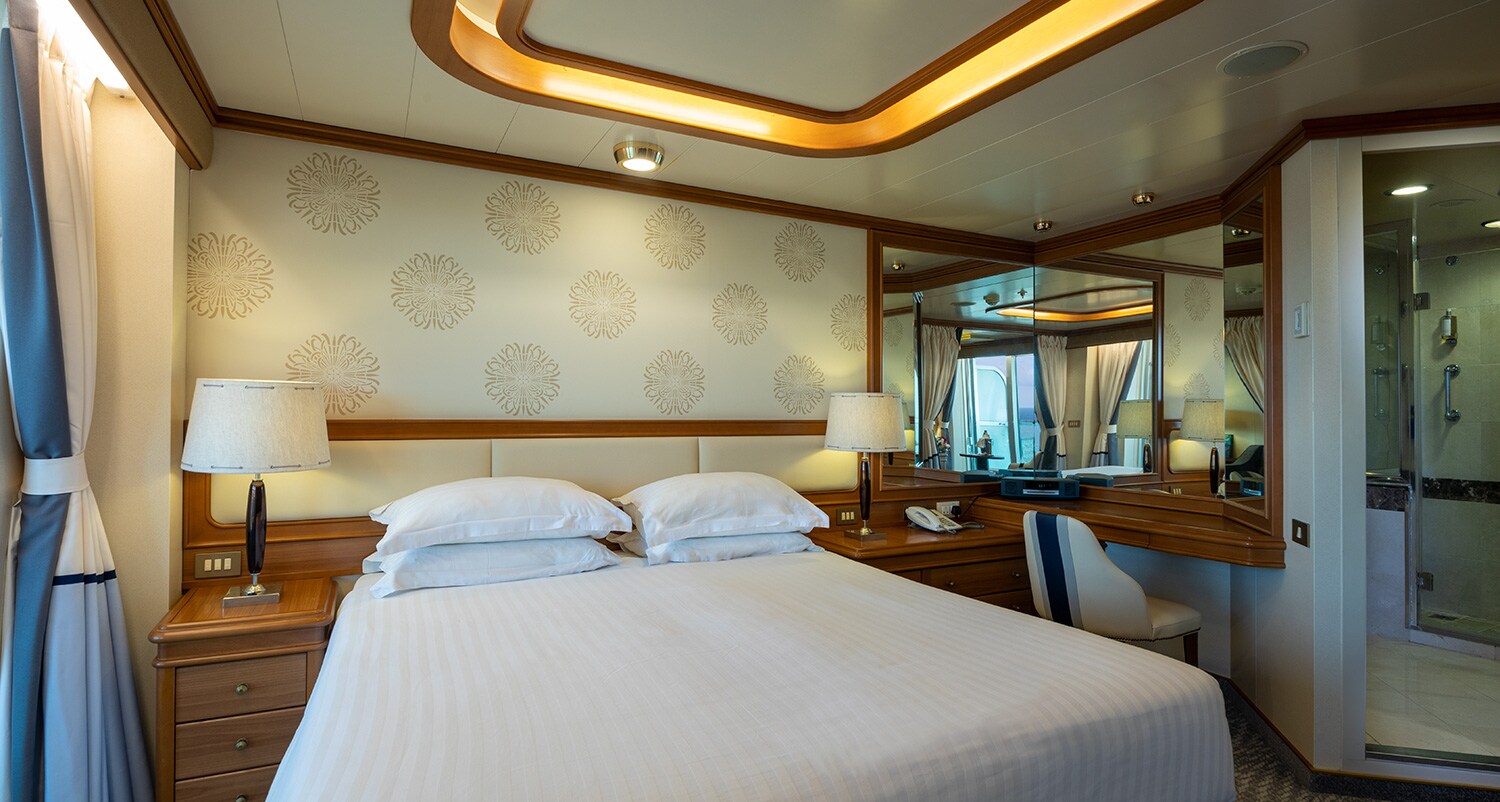
The luxuries of a Suite include a whirlpool bath, dual sinks, dressing area and toiletries from The White Company. With an exclusive restaurant for breakfast and a dedicated butler, not to mention Champagne and chocolates on arrival, it’s a holiday like never before.
Luxuriate in your whirlpool bath and get ready in your dedicated dressing area to the music on your sound system. An exclusive restaurant for breakfast and your own premium butler service make this a holiday like never before.
Suite has the following benefits
- Air conditioning
- Tea and coffee machine
- Free in-cabin TV
- Butler service
- Safe
- Hairdryer
- Telephone
- Larger dressing area
- Toiletries from The White Company
- British plug socket
- Chiller
- A whirpool bath
- Inclusive room service
- Exclusive restaurants
- Bathrobe and Slippers
- Canapés on celebration night
- Champagne on arrival
- Chocolates on arrival
- Floor to ceiling glass doors
- Balcony
- Priority check-in and boarding (from Southampton)
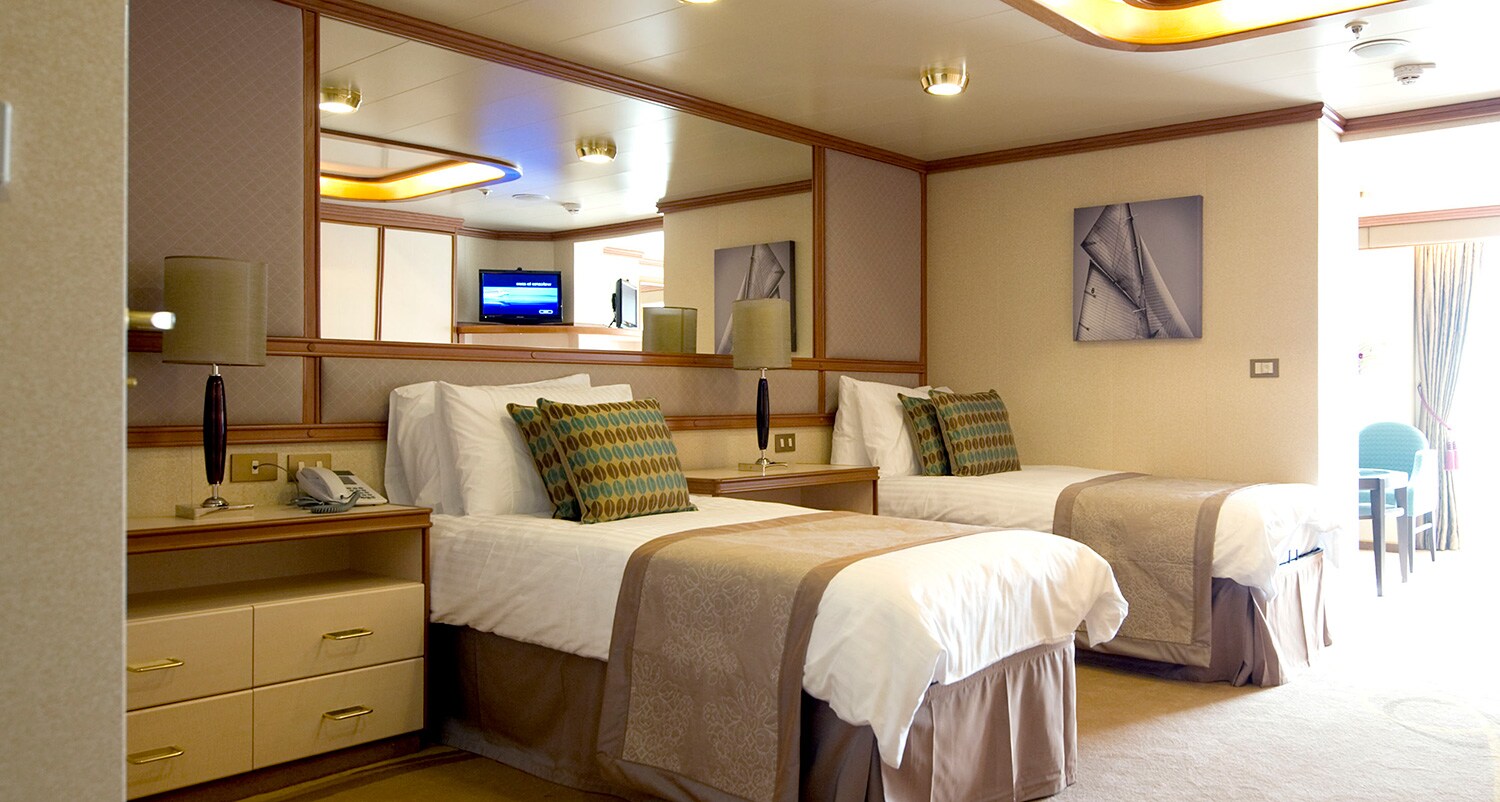
A bigger balcony needs bigger windows for enjoying a great view. Your Deluxe Balcony cabin has floor-to-ceiling glass doors, extra space and a comfy sofa for relaxing. We’ll provide fluffy bath robes and slippers, Champagne and chocolates on arrival to add a touch of class.
Your own private balcony is the ideal place to enjoy your morning cuppa or a quiet moment when the mood takes you. There’s a choice of balcony furniture, as well as your own table, chairs, sofa and TV inside for a relaxing home-from-home feel. Beds convert to twin or king size.
Balcony cabins have the following benefits
- Air conditioning
- Tea and coffee facilities
- Free in-cabin TV
- Daily steward service
- Cabin safe
- Cabin hairdryer
- Cabin telephone
- Vanity writing desk and chair
- Toiletries from The White Company
- British plug socket
- Chiller
- Floor to ceiling glass doors
- Balcony
Step out on your own balcony with a selection of furniture and enjoy the private view. It’s the perfect place for a lazy continental breakfast, a sunbathe or a snooze. Beds convert from twins to king, and you’ve a table and chairs and comfy sofa with plenty of room for all to relax.
Your own private balcony is the ideal place to enjoy your morning cuppa or a quiet moment when the mood takes you. There’s a choice of balcony furniture, as well as your own table, chairs, sofa and TV inside for a relaxing home-from-home feel. Beds convert to twin or king size.
Balcony cabins have the following benefits
- Air conditioning
- Tea and coffee facilities
- Free in-cabin TV
- Daily steward service
- Cabin safe
- Cabin hairdryer
- Cabin telephone
- Vanity writing desk and chair
- Toiletries from The White Company
- British plug socket
- Chiller
- Floor to ceiling glass doors
- Balcony
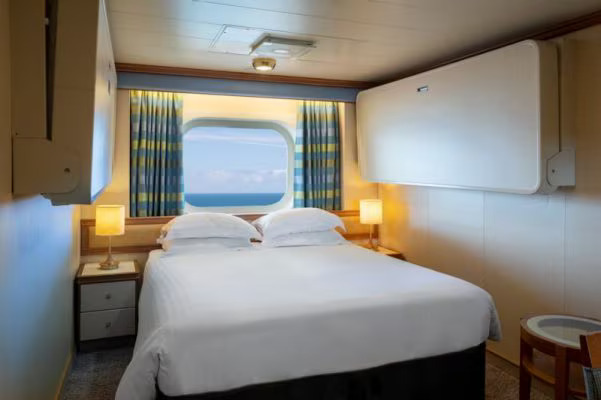
Sea view cabins let the natural light in on your own private space. The beds convert at your request (to twins or king size) and there’s a TV plus comfy sofa and/or table and chairs. This lovely little home from home also includes toiletries from The White Company.
Relax in a comfy cabin with a porthole or window on the world to bring the outside in. Your room with a view includes a sofa and/or table and chairs, with beds that convert from twin to king size. You also have your own TV and The White Company toiletries.
Sea view cabins have the following benefits
- Air conditioning
- Tea and coffee facilities
- Free in-cabin TV
- Daily steward service
- Cabin safe
- Cabin hairdryer
- Cabin telephone
- Vanity writing desk and chair
- Toiletries from The White Company
- British plug socket
- Chiller
- Window/porthole

If natural light and a view are a must, our Sea view cabins ensure you’re never too far away from those relaxing views! Each one offers a similar layout and features of an Inside cabin, but with the addition of a window or porthole. You’ll still see those amazing views, just with a partial obstruction, for example from a pillar or lifeboat.
Relax in a comfy cabin with a porthole or window on the world to bring the outside in. Your room with a view includes a sofa and/or table and chairs, with beds that convert from twin to king size. You also have your own TV and The White Company toiletries.
Sea view cabins have the following benefits
- Air conditioning
- Tea and coffee facilities
- Free in-cabin TV
- Daily steward service
- Cabin safe
- Cabin hairdryer
- Cabin telephone
- Vanity writing desk and chair
- Toiletries from The White Company
- British plug socket
- Chiller
- Window/porthole
If natural light and a view are a must, our Sea view cabins ensure you’re never too far away from those relaxing views! Each one offers a similar layout and features of an Inside cabin, but with the addition of a window or porthole. You’ll enjoy natural light in your cabin although the view will be obstructed, for example by a lifeboat.
Relax in a comfy cabin with a porthole or window on the world to bring the outside in. Your room with a view includes a sofa and/or table and chairs, with beds that convert from twin to king size. You also have your own TV and The White Company toiletries.
Sea view cabins have the following benefits
- Air conditioning
- Tea and coffee facilities
- Free in-cabin TV
- Daily steward service
- Cabin safe
- Cabin hairdryer
- Cabin telephone
- Vanity writing desk and chair
- Toiletries from The White Company
- British plug socket
- Chiller
- Window/porthole
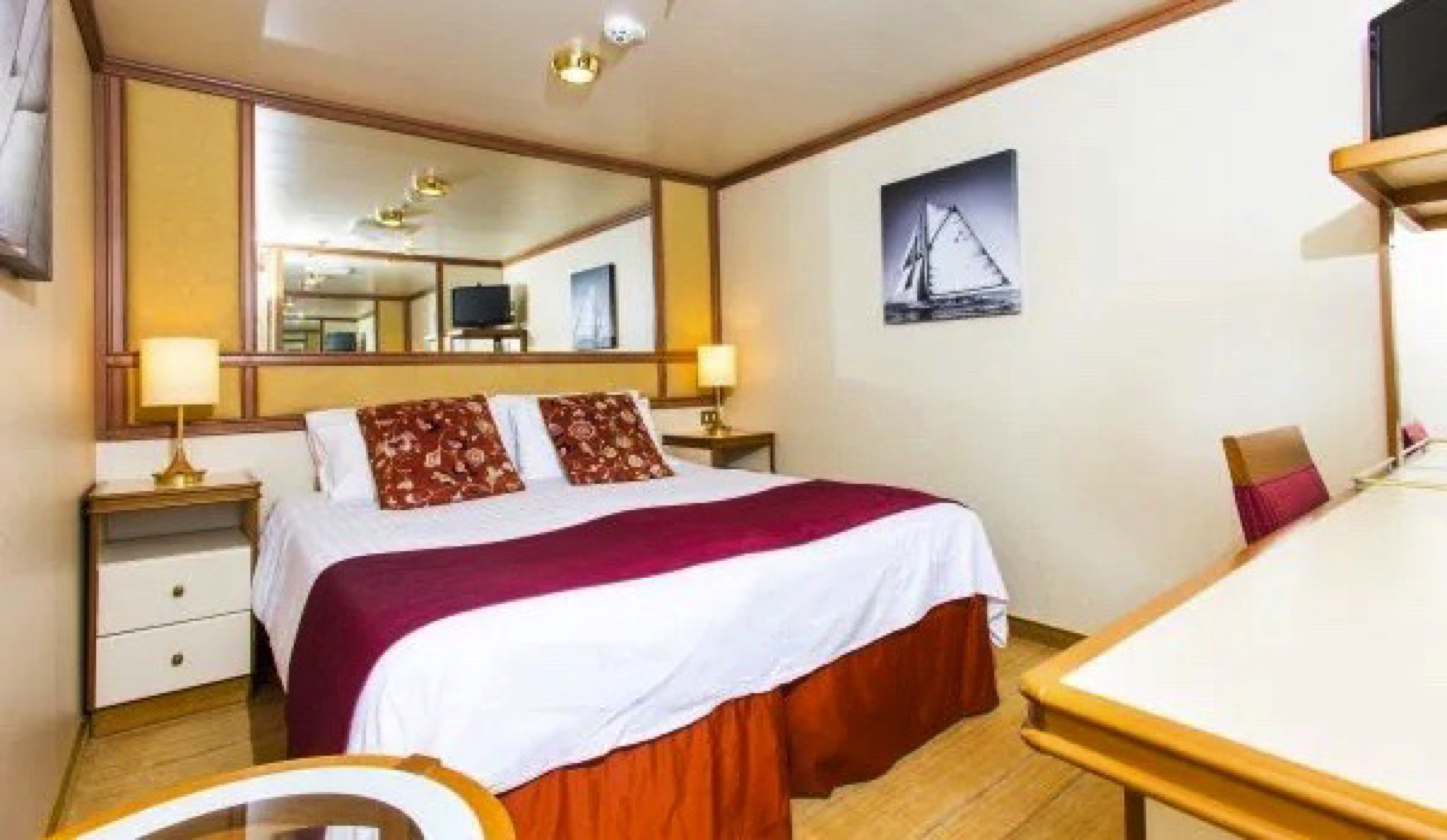
Cosy and comfortable, an Inside cabin is just the place to relax and re-energise for all your holiday adventures on board and ashore. You’ll have your own TV, toiletries from The White Company and some of these cabins even come with a sofa and/or table and chairs.
A perfectly private space for a really sound sleep, your air-conditioned cosy cabin includes a TV and toiletries from The White Company. Ideal for restful nights and daily adventures, the more spacious Inside cabins even have a sofa and/or table and chairs.
Inside cabin has the following benefits
- Air conditioning
- Tea and coffee facilities
- Free in-cabin TV
- Daily steward service
- Safe
- Hairdryer
- Telephone
- Vanity writing desk and chair
- Toiletries from The White Company
- British plug socket
- Chiller
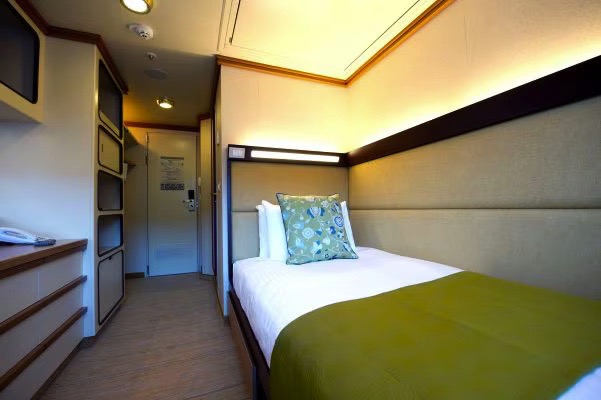
A Single Sea view cabin is a room with a view in your own private space. There’s a TV plus comfy sofa and/or table and chairs. This lovely little home from home also includes toiletries from The White Company.
Relax in a comfy cabin with a porthole or window on the world to bring the outside in. Your room with a view includes a sofa and/or table and chairs, with beds that convert from twin to king size. You also have your own TV and The White Company toiletries.
Sea view cabins have the following benefits
- Air conditioning
- Tea and coffee facilities
- Free in-cabin TV
- Daily steward service
- Cabin safe
- Cabin hairdryer
- Cabin telephone
- Vanity writing desk and chair
- Toiletries from The White Company
- British plug socket
- Chiller
- Window/porthole

Enjoy the perfect hideaway in a Single Inside cabin. There’s a wardrobe and plenty of drawer space for all your outfits. You have your own TV and toiletries from The White Company. Some Single cabins may have a table and chairs or even a sofa for relaxing in private.
A perfectly private space for a really sound sleep, your air-conditioned cosy cabin includes a TV and toiletries from The White Company. Ideal for restful nights and daily adventures, the more spacious Inside cabins even have a sofa and/or table and chairs.
Inside cabins have the following benefits
- Air conditioning
- Tea and coffee facilities
- Free in-cabin TV
- Daily steward service
- Safe
- Hairdryer
- Telephone
- Vanity writing desk and chair
- Toiletries from The White Company
- British plug socket
- Chiller